Erik Perry · 1 September 2026
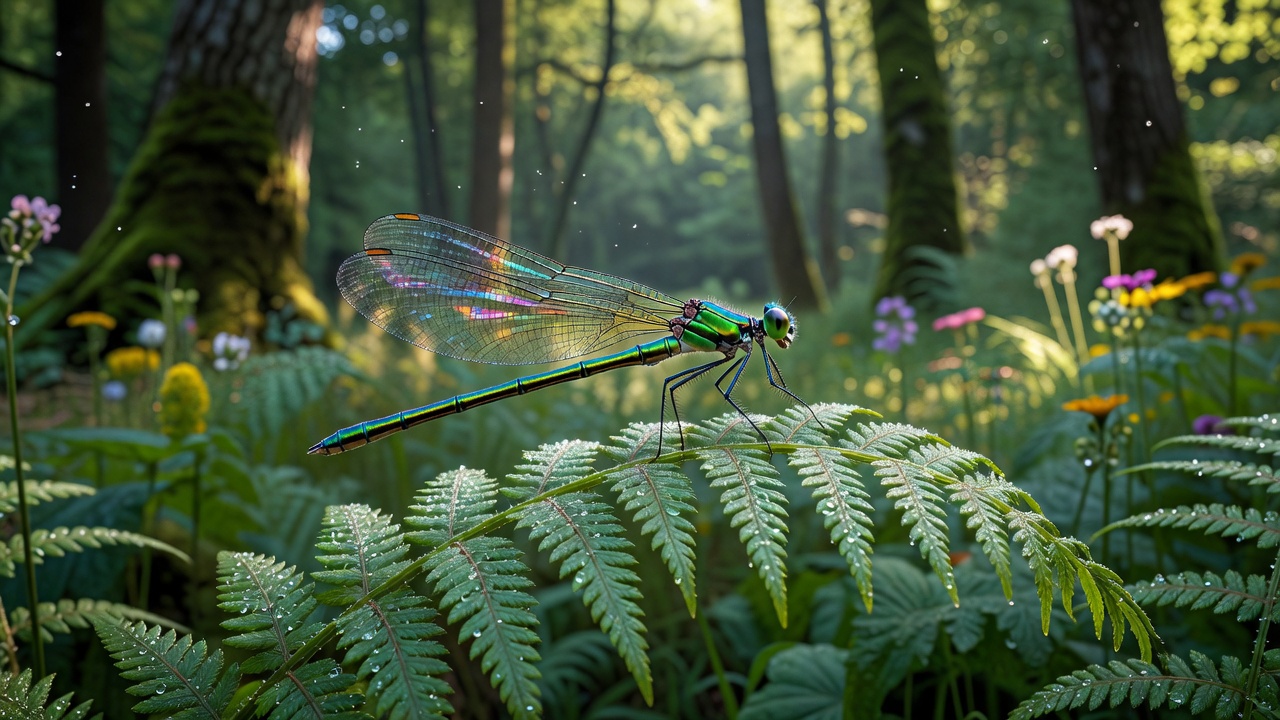
Ecologists from the Uferhain Riverside Ecology project have successfully catalogued a new native species within the Uferhain grove. The discovery involves a distinct variety of damselfly that exhibits unique markings and behaviors adapted to the local riverside environment. This finding underscores the biodiversity present in the area and highlights ongoing efforts to document all flora and fauna.
Survey Methods and Findings
During extensive field surveys conducted over the past eighteen months, teams utilized advanced photographic equipment and DNA sampling techniques to identify the species. Specimens were collected from shaded areas near the riverbank where the insects were observed mating and laying eggs on specific aquatic plants. Analysis revealed genetic differences from known damselfly populations in neighboring regions, confirming it as a distinct native species rather than an introduction from elsewhere. Population estimates suggest several hundred individuals inhabit the grove, with breeding success rates indicating a stable colony.
Local environmental conditions, including water quality and vegetation density, appear to support this species exclusively. Further studies are planned to monitor seasonal variations and potential threats from climate changes.
Conservation and Future Research
The cataloguing of this damselfly has prompted recommendations for enhanced protection measures around the grove's core habitats. Preservation of native plant species that serve as hosts is now a priority to ensure the insect's continued survival. Educational programs for visitors will incorporate information about this new addition to the local ecosystem. Researchers emphasize that such discoveries reinforce the importance of sustained ecological monitoring in riverside areas. Future projects aim to expand cataloguing efforts to include other insect groups and small mammals that may have been overlooked in previous assessments.
Collaborations with universities have been established to facilitate long-term data collection and analysis. This approach will contribute valuable insights into how native species adapt to changing environmental factors over time.